The kitchen is the most frequently used and most complex space in the home. Moisture, high heat, grease, and knocks and bumps are all part of daily life. With ordinary cabinets, it doesn‘t take long before edges swell, the cabinet body warps, or unpleasant odors appear. The reason stainless steel kitchen cabinets are gaining wider recognition is simple: from the cabinet body to the countertop, the entire system is designed for durability and cleanliness.
Let’s break down a stainless steel kitchen cabinet from the inside out, and look at what each layer of material actually does.
The cabinet body is the load-bearing structure of the entire cabinet system. Countertops, doors, and stored items—all the weight ultimately rests on the cabinet body.
For stainless steel cabinets, the mainstream cabinet body uses 304 food-grade stainless steel. 304 stainless steel contains 18% chromium and 8% nickel, giving it corrosion resistance far superior to ordinary steel. In a kitchen environment with high humidity and frequent contact with acids and alkalis, 304 can pass salt spray tests of over 720 hours, while cheaper 201 stainless steel shows signs of rust in under 200 hours.
But a “stainless steel shell” alone isn‘t enough. If the inside of the cabinet body is hollow, it sounds hollow when tapped, deforms easily under heat, and doesn’t bear weight well.
The truly reliable approach is to fill the space between two layers of stainless steel with a metal honeycomb core. This structure distributes force evenly across the entire panel, making the cabinet body both sturdy and lightweight, and resistant to denting or warping from localized weight. Filling with a honeycomb core has another benefit: heat insulation and noise reduction, reducing the echo and vibration common in metal cabinets.
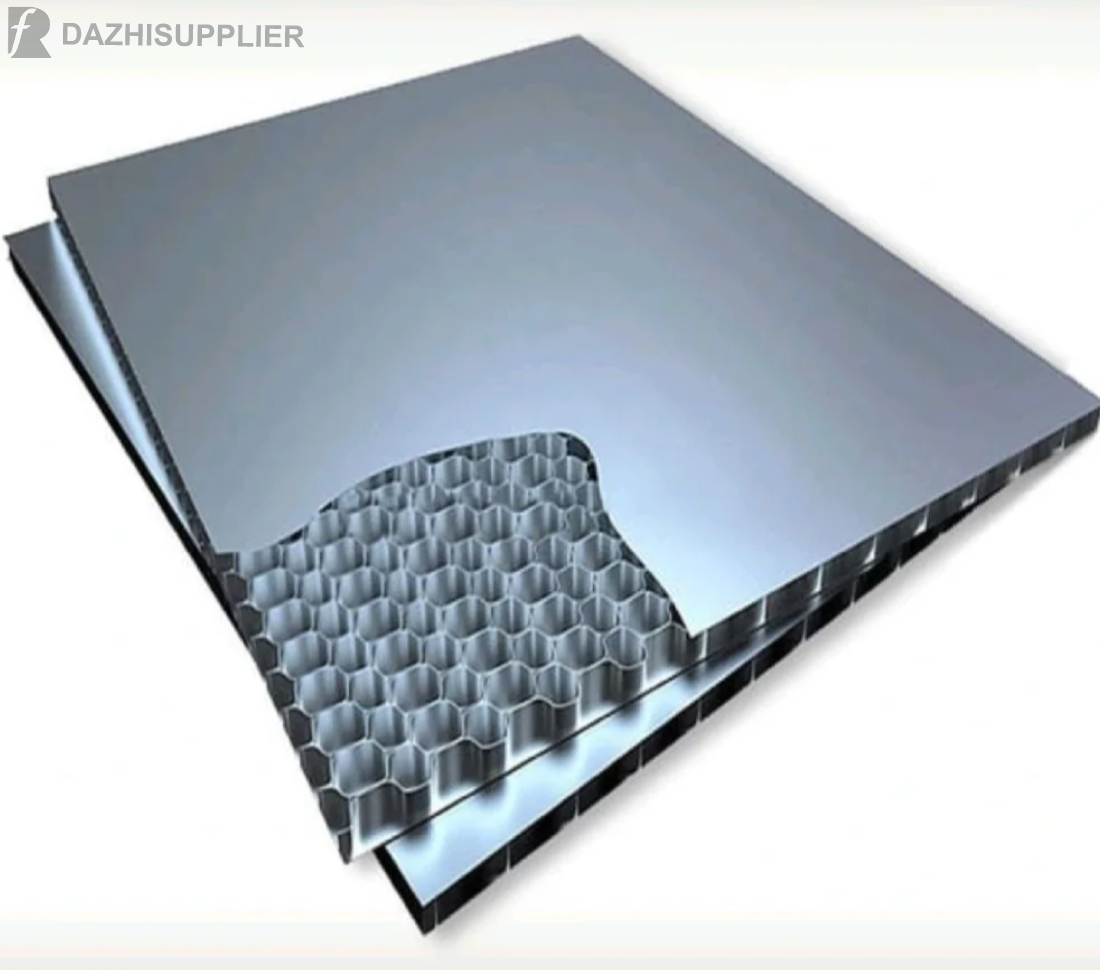
Panel thickness is also a hard indicator. Common options on the market are 0.8mm and 1.0mm, while high-end products use 1.2mm or more. A 1.0mm panel can bear about 40–60 kg per single layer, while 1.2mm can increase that to 70–90 kg. The difference is obvious in daily use—a cabinet filled with pots and appliances will eventually deform if the load-bearing capacity isn‘t sufficient.
Remember two things when choosing a cabinet body: look for 304 material, and pay attention to panel thickness and internal structure.
The countertop is the most “abused” part of the kitchen: hot pots placed directly on it, knife and fork knocks, spilled sauces, and repeated wiping with wet cloths.
The core advantage of a stainless steel countertop is one-piece forming with no seams. The sink, backsplash, and countertop can be welded into a single piece, with no seams to harbor dirt. Sauces and grease wipe clean with one pass, and nothing seeps inside to breed bacteria.
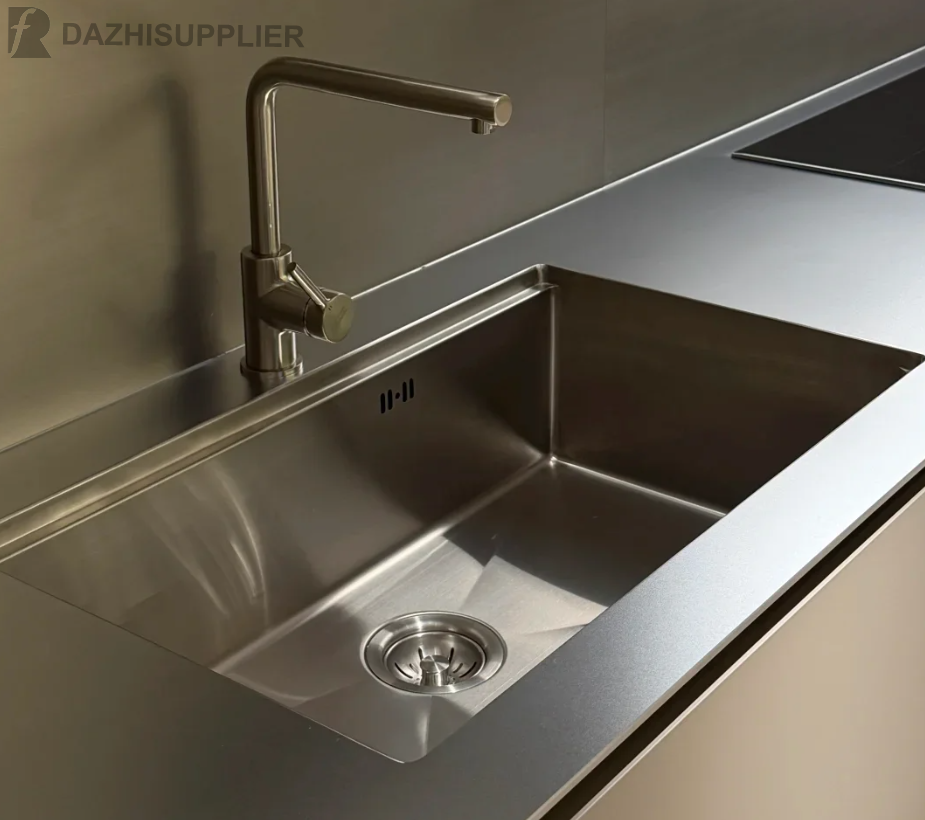
Stainless steel countertops are also heat-resistant. Hot pots and splattering oil won’t cause any damage, and you don‘t need to carefully place heat pads like you would with quartz or artificial stone. For families who cook frequently, this saves a lot of worry.
Many people worry about “knife and fork marks.” In actual use, a brushed-surface stainless steel countertop is indeed more scratch-resistant and better-looking than a mirror finish. Light scratches are “absorbed” by the brushed texture and aren’t as obvious as they would be on a mirror surface. Daily contact with pot bottoms and dishes won‘t affect normal use.
There is usually a support structure beneath the countertop. A good stainless steel countertop isn’t a “thin sheet of metal”—it‘s a surface stainless steel panel combined with internal load-bearing strips or metal square tubes, ensuring the countertop won’t sink or bulge under force.
The door panel is the part of a stainless steel cabinet that makes most people hesitate—many people still associate stainless steel with the silver-gray look of a cafeteria kitchen.
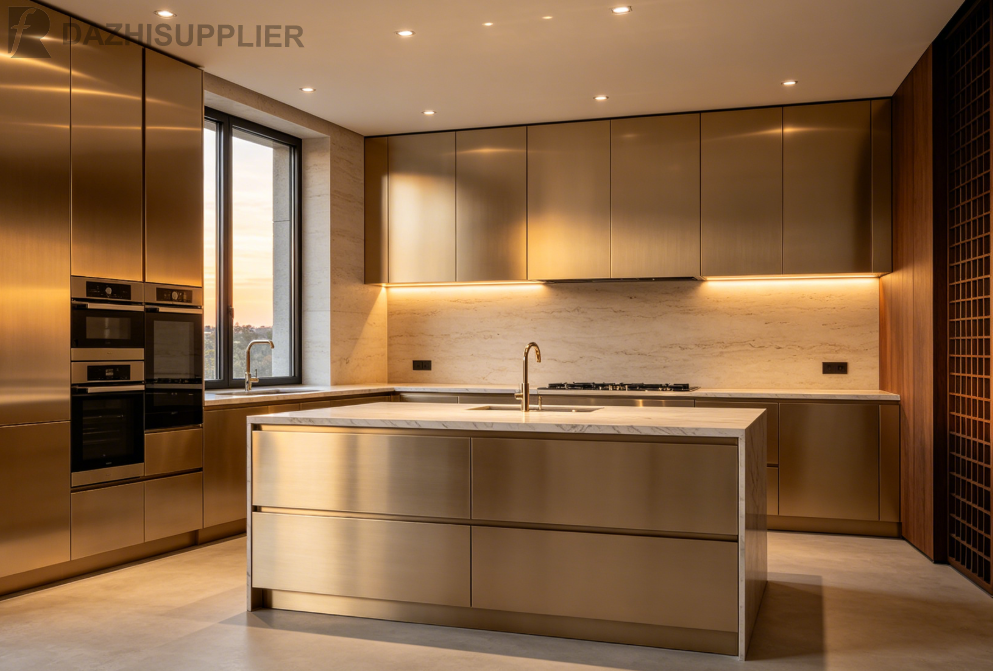
Modern craftsmanship has changed all that. Stainless steel door panels can be made in champagne gold, rose gold, black, and other colors through PVD electroplating, or achieve a richer color selection through baking paint. For surface treatment, brushed, sandblasted, and mirror finishes each have their own style: brushed is durable and fingerprint-resistant, sandblasted is matte and delicate, and mirror is the most striking but also the hardest to maintain.
Door panels can also use a metal honeycomb panel structure, filled with a honeycomb core to ensure flatness and resist warping from temperature and humidity changes. Paired with wood-grain, glass, or stone-textured countertops and walls, the coldness of stainless steel is neutralized, and the overall space can feel warm.
The quality gap in stainless steel cabinets is often hidden in the details you can‘t see.
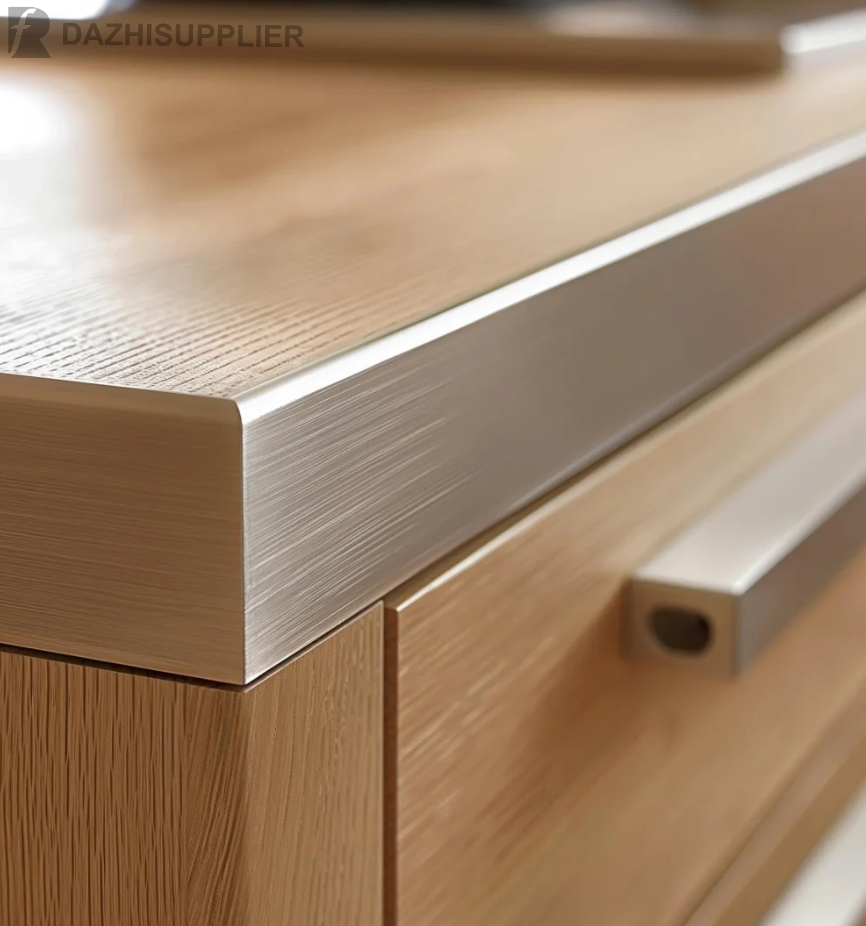
Edge banding is a typical example. High-end products use laser welding for one-piece forming, with no gaps at the corners, so moisture can’t get in at all. Low-end products use PVC edging or silicone filling, which can crack and mold over time.
Hardware is equally important. Good stainless steel cabinets come standard with brand-name hinges and drawer slides such as Blum, ensuring smooth opening and closing and reliable load-bearing.
Installation precision cannot be ignored either. Whether the cabinet body is level, whether the door panels are aligned, and whether the joint between the countertop and wall is tight—these on-site details determine the final user experience. Even the best materials will have problems if installed poorly.
If you meet the following conditions, stainless steel cabinets will be a long-term worry-free choice:
The kitchen is used frequently, with lots of cooking, grease, and water stains
You live in a humid area, or the kitchen has average ventilation
There are children or family members with allergies, and you don‘t want to worry about formaldehyde emissions from cabinets
You want a cabinet that lasts for many years, and don’t want to replace it a few years later because of warping or mold
Stainless steel cabinets do cost more than ordinary panel cabinets, with mainstream prices ranging from 2,000–8,000 RMB per linear meter, while panel cabinets are mostly 1,000–3,000 RMB. But with a lifespan of over 20 years, zero formaldehyde, and virtually maintenance-free daily care, the investment is worthwhile in the long run.
The cabinet body uses 304 stainless steel with a honeycomb core to support the cabinet for decades; the countertop is one-piece formed with seamless welding, resistant to heat, dirt, and knocks; the door panels use modern craftsmanship to achieve the color and texture you like. That is what a truly worthwhile stainless steel cabinet looks like.
Contact: Cherry Fang
Phone: +86 136 2007 7702
E-mail: info@dazhisupplier.com
Whatsapp:8613620077702
Add: 748 Houjie Town, Dongguan City, China, 523000
We chat