A few years after your renovation, the shelf boards start bowing in the middle, the bottom of your wall cabinets visibly sags, and the doors won't close properly. The problem isn't the board quality – it's the load-bearing design. Experienced designers reinforce the structure; inexperienced ones just slap on a thin board and call it done.
1. Why Do Shelf Boards Warp?

A shelf's load-bearing capacity depends on thickness, span, and support points. If any one of these falls short, warping is inevitable over time:
Insufficient thickness: A wide span with a thin board and no center support will bow under the weight of books
Span too wide: The longer the shelf, the greater the bending force at the center
Inadequate support: Supported only by the side panels with nothing in the middle – under long-term load, it will warp
2. How to Build a Bookshelf That Holds Up
Thicker shelf boards: Shelves holding books should be thicker than standard cabinet boards for better resistance to bending
Shelf spacing designed around book sizes: Standard books are roughly 24-30cm tall – design around actual dimensions to avoid wasted space
Vertical dividers required for spans over 80cm: Adding a vertical support panel in the middle dramatically increases load capacity
Adjustable shelves need proper supports: They're convenient for adjusting, but shelf pins have limited load capacity – use fixed shelves in heavy book zones
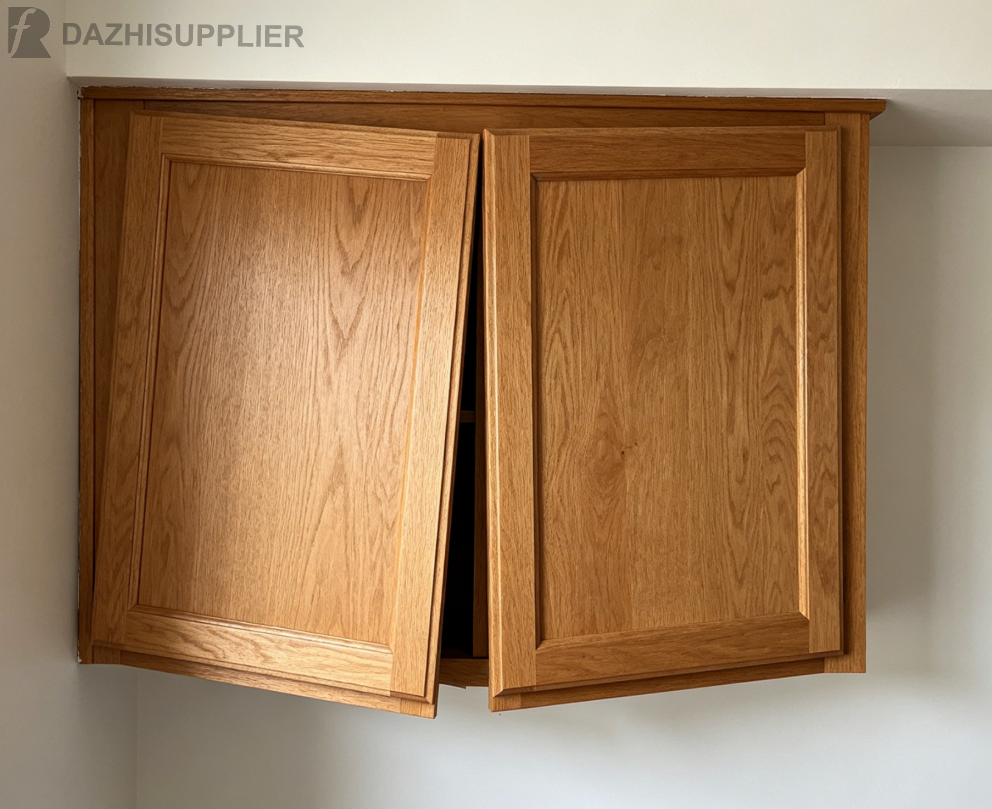
Wall cabinets rely entirely on their hanging system for support. If reinforcement is inadequate, sagging is only a matter of time:
Not enough hanging brackets: The larger and heavier the cabinet, the more brackets required – two is never enough
Weak wall structure: Hollow brick walls and lightweight steel stud walls must be reinforced, or the brackets simply won't hold
Back panel too thin: The back panel bears part of the pulling force – if it's too thin, sagging accelerates
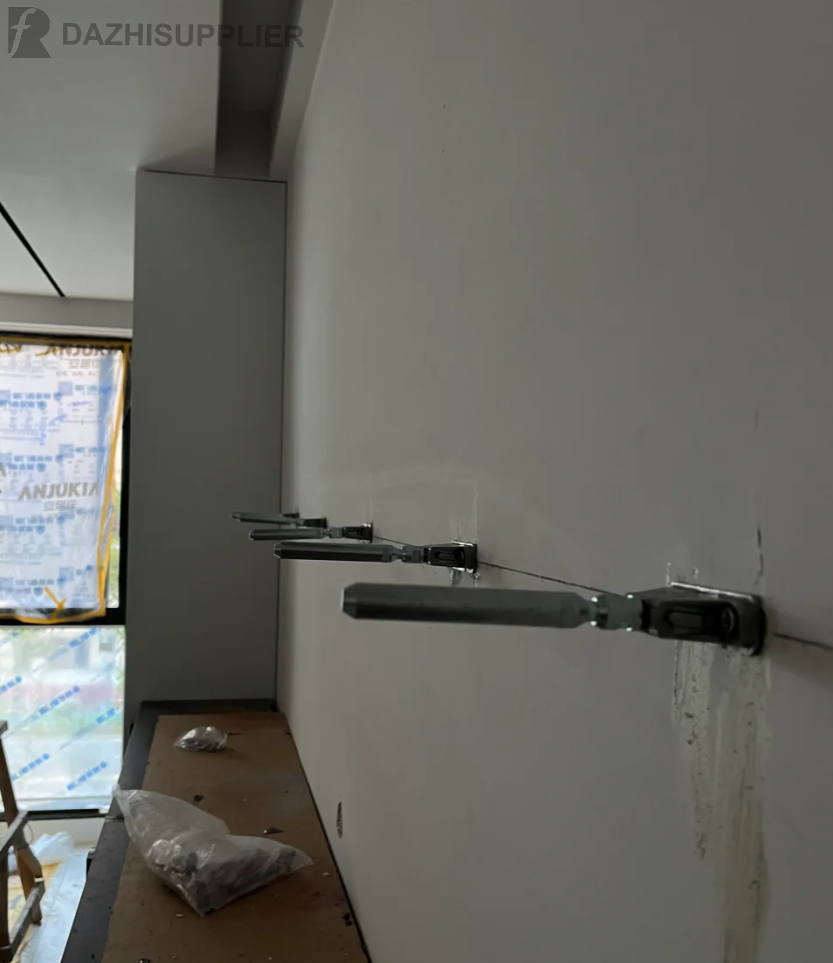
Before ordering, review the design drawings and check these 3 things:
✅ Is the shelf board thickness clearly specified? (If not, thin boards are often the default)
✅ Do wide-span cabinets have vertical dividers or reinforcement structures?
✅ Are the number of hanging brackets and wall reinforcement plan clearly stated for wall cabinets?
How thick are the bookshelf boards? What's the span? Are vertical dividers included?
How many hanging brackets for the wall cabinets? What's the wall material? Does it need reinforcement?
All load-bearing reinforcement measures must be written into the contract and drawings
Verbal promises don't count. Load-bearing design is hidden work – you can't see it after installation, and problems only surface later. Confirming upfront costs far less than fixing it afterward.
Final Word
When bookshelves and wall cabinets warp, it's not the board's fault – it's the design's fault. Load-bearing reinforcement doesn't cost much extra, but it determines whether your cabinets last 5 years or 15.
Planning a custom project? Contact us. We'll review the load-bearing structure during the design phase, so you can install with confidence and enjoy it for years to come.
Contact: Cherry Fang
Phone: +86 136 2007 7702
E-mail: info@dazhisupplier.com
Whatsapp:8613620077702
Add: 748 Houjie Town, Dongguan City, China, 523000
We chat