Smart Home Meets Custom Cabinetry|Making Technology "Invisible" Within Your Cabinets
Smart home technology is becoming increasingly common in modern renovations. But many homeowners only realize after installation: smart devices are sitting out in the open, cables are everywhere, and nothing blends with the cabinetry. True intelligence should be "invisible" – devices tucked inside cabinets, convenient to use, without compromising the overall aesthetic.
This requires planning at the design stage. Once the cabinets are installed, retrofitting is nearly impossible.
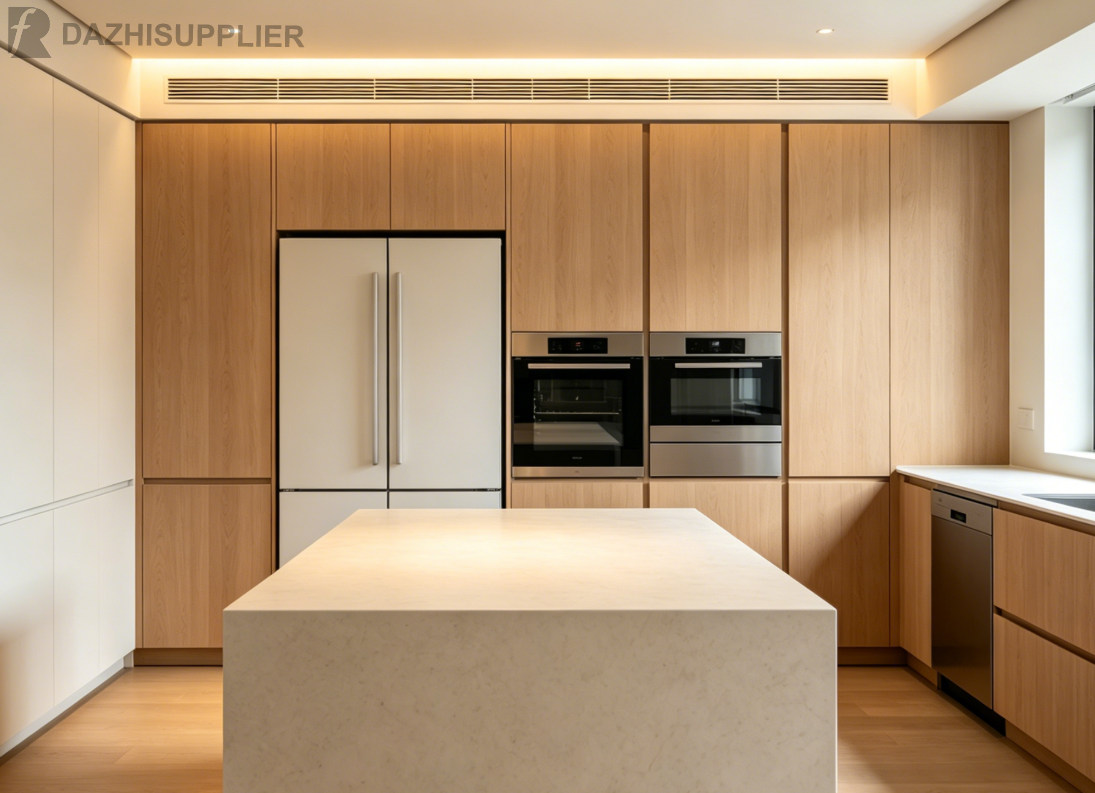
Refrigerators, ovens, dishwashers: Confirm models and dimensions in advance; reserve proper embedding space and ventilation clearance
Power outlets: Reserve outlets behind built-in appliances to avoid exposed wiring
Key point: For built-in appliances, finalize the model before finalizing the cabinet – otherwise dimensions won't match and the cabinet is wasted
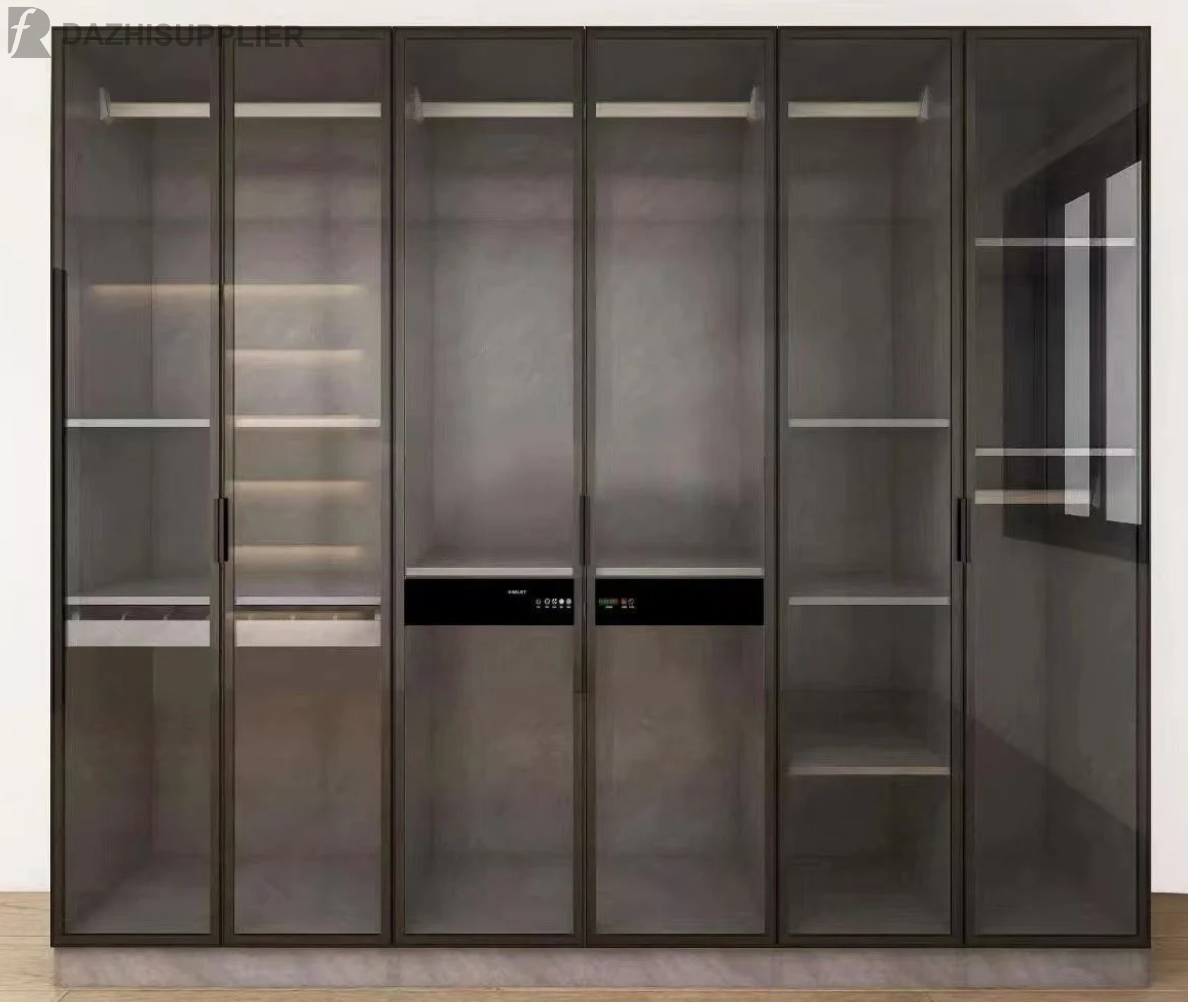
Smart motion-sensor lighting: Lights up when you open the door – no more fumbling in the dark
Dehumidification/sterilization modules: Especially useful in humid seasons; reserve power and mounting space in advance
Key point: Power outlets must be planned alongside the cabinet design – retrofitting later means exposed wiring
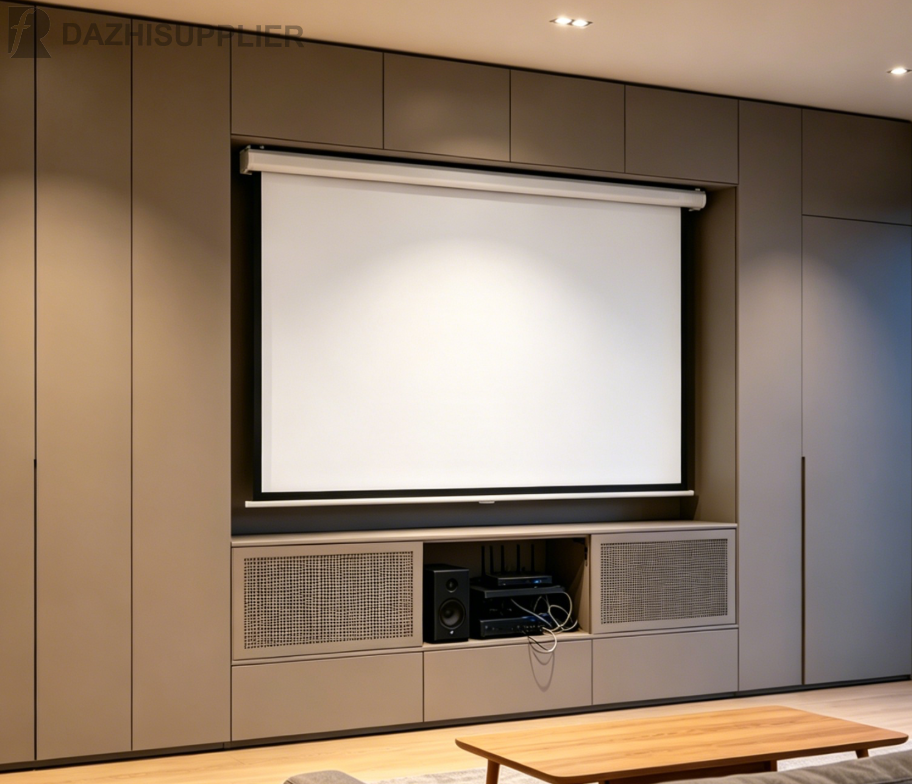
Projector screens: Reserve a hidden slot at the top of the cabinet – lower it when in use, retract it when not, keeping walls clean
Speakers, routers: Reserve ventilated space inside cabinets to prevent overheating
Key point: Don't fully enclose signal-dependent devices in metal cabinets – it will interfere with signals
Power outlets: Reserve sockets for every smart device in advance
Heat dissipation & ventilation: Leave clearance around built-in devices
Cable routing: How cables will be hidden and where they'll run – mark it clearly on the design drawings
Bottom line: Smart homes aren't added later – they're planned at the design stage.
Making technology "invisible" within your cabinets is both beautiful and functional. The key is planning ahead. If you have smart home needs, be sure to tell us during the measurement and design phase. We'll factor in devices, power, and cable routing from the start – so you get a truly "smart" home.
Planning a custom project? Contact us for a personalized smart cabinet design solution.
Contact: Cherry Fang
Phone: +86 136 2007 7702
E-mail: info@dazhisupplier.com
Whatsapp:8613620077702
Add: 748 Houjie Town, Dongguan City, China, 523000
We chat